Buzzing with Strategy: Project Management Lessons from the Beehive
By Jim R. Jones

When most people hear the words project management, they picture Gantt charts, sticky notes on a Kanban board, or maybe long meetings about scope and budgets. I picture bees.
This past year my little backyard apiary turned into a living, buzzing case study on how structured project management can turn uncertainty into success, and leave you with jars of sweet honey at the end.
A Season That Didn’t Go as Planned
I started spring thinking my one hive hadn’t made it through the winter. To be safe, I purchased a nuc (short for nucleus colony). But when I opened my old hive for the first spring inspection, I discovered it was not only alive but thriving. Instead of starting over, I suddenly had two colonies on my hands.
Things got even more interesting as spring progressed and the season warmed up. The queen in the thriving hive filled the empty space with eggs and brood. The colony grew like crazy and quickly ran out of space even with two additional brood boxes. To keep it from swarming, I split it into two more hives, which brought me up to four. Not bad for a hobby I thought I was restarting from scratch.
Of course, not everything went smoothly. One of the splits was weak, and by late summer it was being hammered by yellow jackets. Rather than watch it dwindle away, I sadly had to kill the queen so the hive could be merged with its sister hive. It was a tough call, but it created a stronger colony that could survive the onslaught of pests, survive the season and, hopefully, overwinter successfully. By the end of August, I had three strong hives and about 40 pounds of honey to show for it.
Beekeeping Through the Project Manager’s Lens
I’m a project manager by training, so it’s no surprise I can’t help but run my hives like projects. I follow a kind of waterfall approach, with each colony treated like its own little project:
- Weekly tasks: inspections, checking brood patterns, monitoring mite levels.
- Monthly tasks: equipment checks, making sure food stores are adequate, and evaluating overall colony health.
- Risks: varroa mites, yellow jackets, and wax moths top the list. Each one has its own plan of attack, treatments, traps, or in the case of a weak hive, consolidation.
- Performance measures: instead of deadlines or ROI, my KPIs are honey yield and colony survival.
It sounds almost funny when written out this way, but the parallels are real. My WBS (work breakdown structure) just happens to include things like “find the queen”, “check Varroa mite level”, and “inspect supers,” instead of “update stakeholder report” or “establish team meeting schedule.”
What the Bees Reminded Me
Working with bees reminded me of some truths I think every project manager knows but sometimes forgets:
- Growth requires planning ahead. If you don’t give a hive more space, it swarms. If you don’t give a project sufficient capacity, it stalls.
- Stronger together. Combining two weak resources into one strong unit can save the effort. That goes for hives and for teams.
- Risk is unavoidable. You can’t stop mites or pests from existing, but you can prepare for them.
- Checklists work. Weekly and monthly routines keep surprises from becoming disasters.
A Hive Is a Lot Like a Team
What strikes me most is how much a hive resembles a project team. Every bee has a role. The colony adapts constantly to outside threats and changes. And the whole system depends on structure, timing, and collaboration.
At the end of the season, I realized beekeeping isn’t just about producing honey. It’s about resilience and adaptability, values any good project manager recognizes.
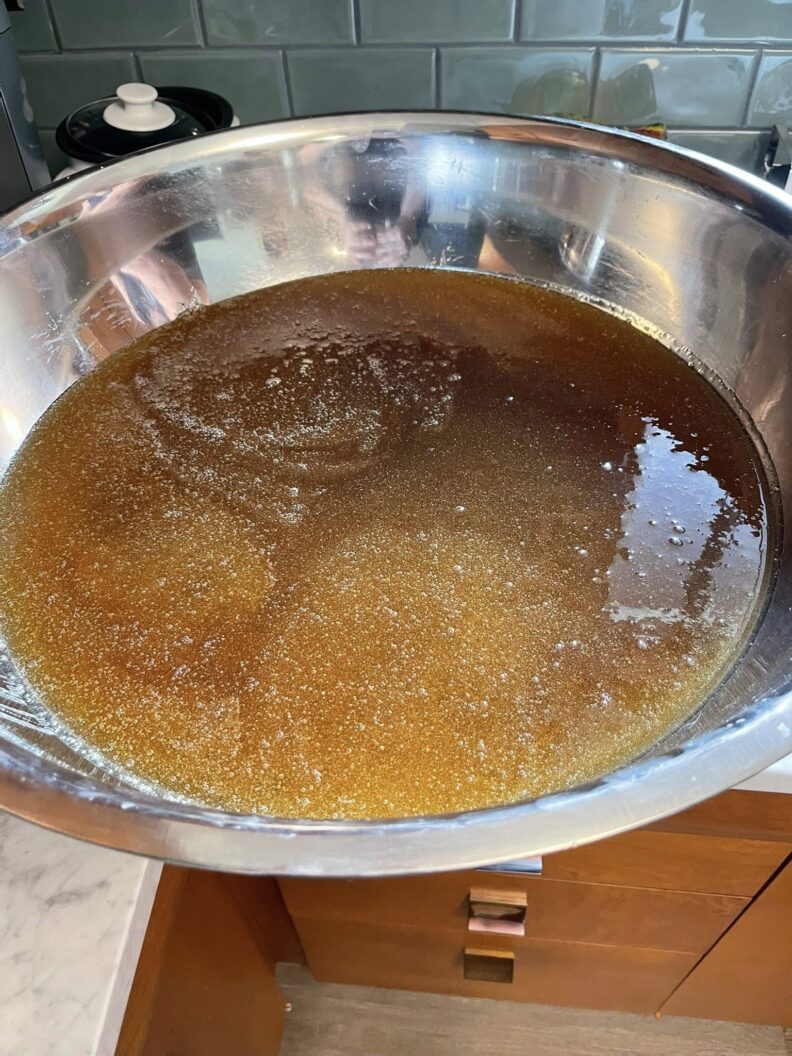
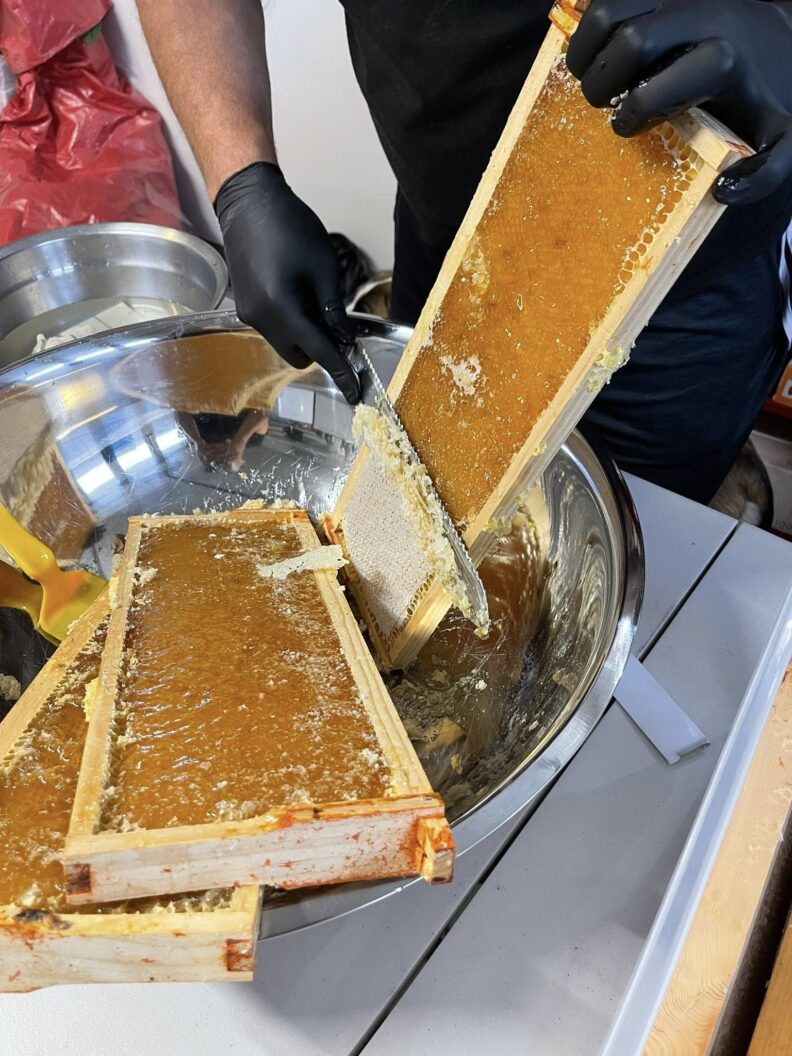
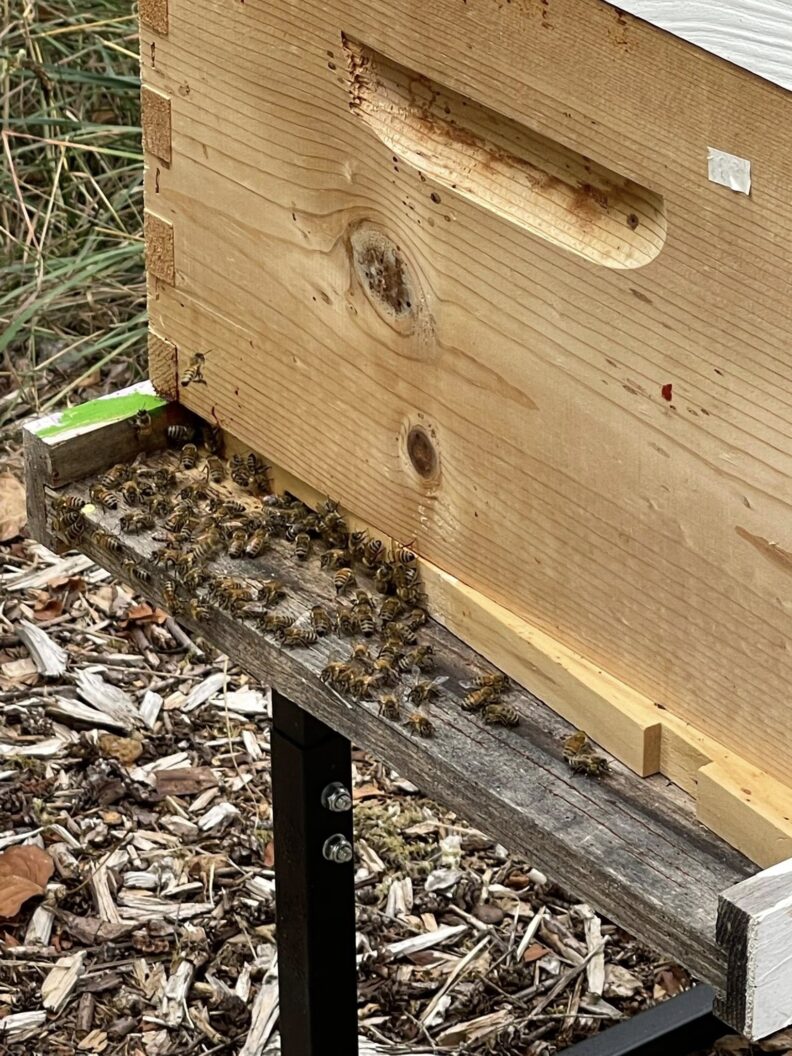
I’ve included two photos with this article: one of the hives in my backyard, and another of the season’s honey harvest. Both are reminders that good management, whether in an office or in an apiary, can lead to results you can see, and taste.
Final Thought
For me, beekeeping has been more than a hobby. It’s been a reminder that project management isn’t just about managing work, it’s about guiding growth, adapting to risks, and delivering value.
Do you have any hobbies where skills have transferred to your professional life or vice versa?